Big White Colorful Cards
Abstract:
We were tasked with reflecting on our previous experiences on language and literature to come up with an engaging narrative that connects to a larger social issue. Along with the narrative, we were also tasked with creating a “translation”, that basically turned our narrative into a visual.
Translation 1: Presentation



Draft 1:
I came to this country when I was around 6 years old and even though I came here young, I always had a hard time with English. I would constantly perform below grade level in English classes and English was always my weakest subject.
During 4th grade on a spring morning, my teacher was handing back some graded writing assignments. She plopped my paper on the table and came back as soon as she was done with handing out the entire stack. She crouched beside me and asked in an endearing tone “why are you spelling so many words wrong”. We were both looking at my paper at this point and I noticed multiple words underlined with red ink. I contemplated for a while, responding with a shrug and saying “I really don’t know but I have always been writing like this.” My teacher, Ms.Hienrich, just smiled a little and called over Ms.Torre who wasn’t really a teacher but somewhat of an assisting teacher. After talking with Ms. Torre, Ms.Hienrich explained to me that it’s super important for me to first get the fundamentals right as she believed that I needed to review my letter sounds and she told me that Ms.Torre is going to help me with that.
Ms.Torre accompanied me to the halls where we sat right next to the classroom door. She explained to me that we would split the letters so that we do some letters on one day and the following days I would both review and try to learn new letter sounds. This continued for about two weeks and I kind of found it enjoyable because I really noticed my growth. This is the first instance that I could remember of me actually enjoying English and not feeling embarrassed for being behind everyone else. In some cases when my classmates would go on bathroom breaks and pass by, they would ask what I was doing and when I answered they were in a way supportive. By the end of the two weeks I didn’t fully master letter sounds and perfect my spelling but I was now able to sound out words slowly to get the spelling right whenever I needed to. By doing this continuously I definitely improved my writing at least by a little bit.
I remember when I first came to America and started to learn English, I did learn the letter sounds but I think that my teacher back then tried to rush things and get me to at least start speaking English. This of course led to my fundamentals being unstable and caused me to write and even read below grade level. But I don’t think it was really her fault, I did join her classroom near the end of the year and by the next year I started to do work as everyone else and sometimes supplemented with classes with ENL classes. Through it all there have been many instances where I have completely lost hope in becoming a better writer but experiences like the one in the spring of 4th grade had given me the confidence to believe that it’s not hopeless. I began to think that as long as I continued to practice and write, I could really improve on not just my writing but also how I express myself in English. It wasn’t always easy though, at the beginning of every single school year it would take me a while to understand and implement new techniques or styles of writing but I would always ask for help from my teachers and with their support I would ultimately add new skills onto my toolbelt. I truly am lucky to have teachers like Ms.Hienrich throughout my academic journey who understood what I needed and went above and beyond to help me grow.
Final Draft:
I immigrated to America from Bangladesh very young at the age of 6, and so I always had a difficult time with English. It would take weeks to finish a book that took others one day,. It took days for me to write something that took another one sitting. and it took me a good amount of time to convey thoughts that would take others a split second. I had zero hope in improving and so I kind of gave up for a while.
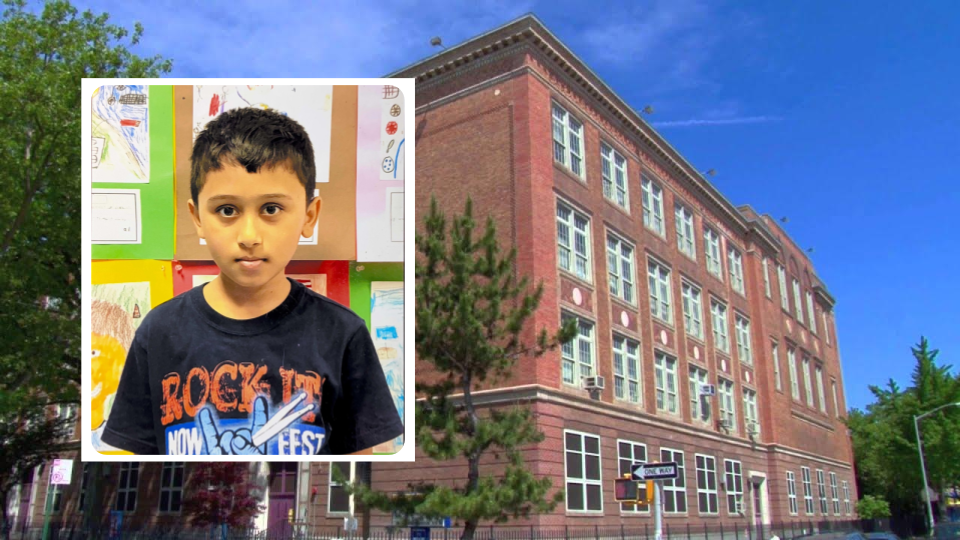
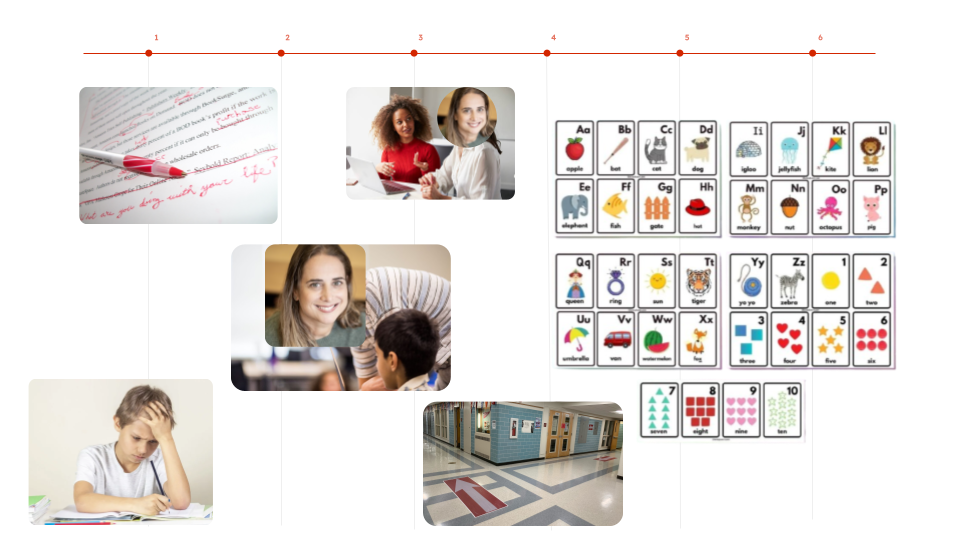
In the 4th grade on a spring morning, my teachers were handing back graded writing assignments. One of my teachers plopped my paper on the table and came back as soon as she was done handing out the entire stack. Then, crouched beside me she asked in an endearing tone “why are you spelling so many words wrong? ”
We were both looking at my paper at this point and I noticed multiple words underlined with red ink. I contemplated for a while, responding with a shrug and saying “I really don’t know but I have always been writing like this.”
Ms. Hienrich, a very tall teacher in her 30’s with blue eyes and dirty blond hair, then told me that she had a hunch that it might have something to do with my familiarity with letter sounds. I was a bit skeptical: “I learned the letter sounds when I first came to America … but I think a refresher might be good because I did feel rushed back then.”
Ms.Hienrich smiled a little and walked over to her table to get a hold of a 5 by 7 inch deck of letter cards. She came back to my maple colored wooden table and asked me to follow her outside.
Sitting outside the blue classroom door on the white hallway tiles, Ms. Hienrich explained to me that we would split the letters so that we did some letters on one day and the following days I would both review and try to learn new letter sounds. She would hold up these big white colorful cards and would first teach me how to pronounce them and then wait for me to repeat the sounds 5 to 10 times each. In the beginning of these one-on -one lessons, I was a little embarrassed as it seemed I was the only one that needed this help, but as things continued I came to enjoy it. It became a sort of break from the traditional ways of classroom learning and I started to think these lessons were a normal part of learning. After the two weeks of learning the letter sounds, I was able to sound out words slowly to get the spelling right whenever I needed to.
Through this experience I had became hopeful. Even though I was only 10, I began to think that as long as I continued to practice and write, I could improve on not just my writing but also how I express myself in English. This mentality did end up improving not just my writing but my language skills in general, giving me a newfound confidence in the classroom. I remember the following year, my teacher asked a difficult question about the purpose of a character and nobody except me raised their hands. I started writing better as well, not just spelling things right but writing in a way that created flow and structure. And most importantly I began to have a louder voice, a voice in which I didn’t stutter much or take too long to think of something. It wasn’t always easy though but I truly am lucky to have teachers like Ms.Hienrich throughout my academic journey who understood what I needed and went above and beyond to help me grow.
My experiences are similar to the experiences of many other immigrants. They come to the United States trying to learn English but are, most of the time, disheartened by having to play catch up and by having minimal support. This however can be mostly solved by adopting a better student to teacher ratio like how in my fourth grade class there were 4 teachers. This many teachers in one classroom allowed Ms.Hienrich to give me attention while being sure that the other students are continuing to learn and grow. It is ultimately with support and time that immigrants begin to thrive in learning this language.

